
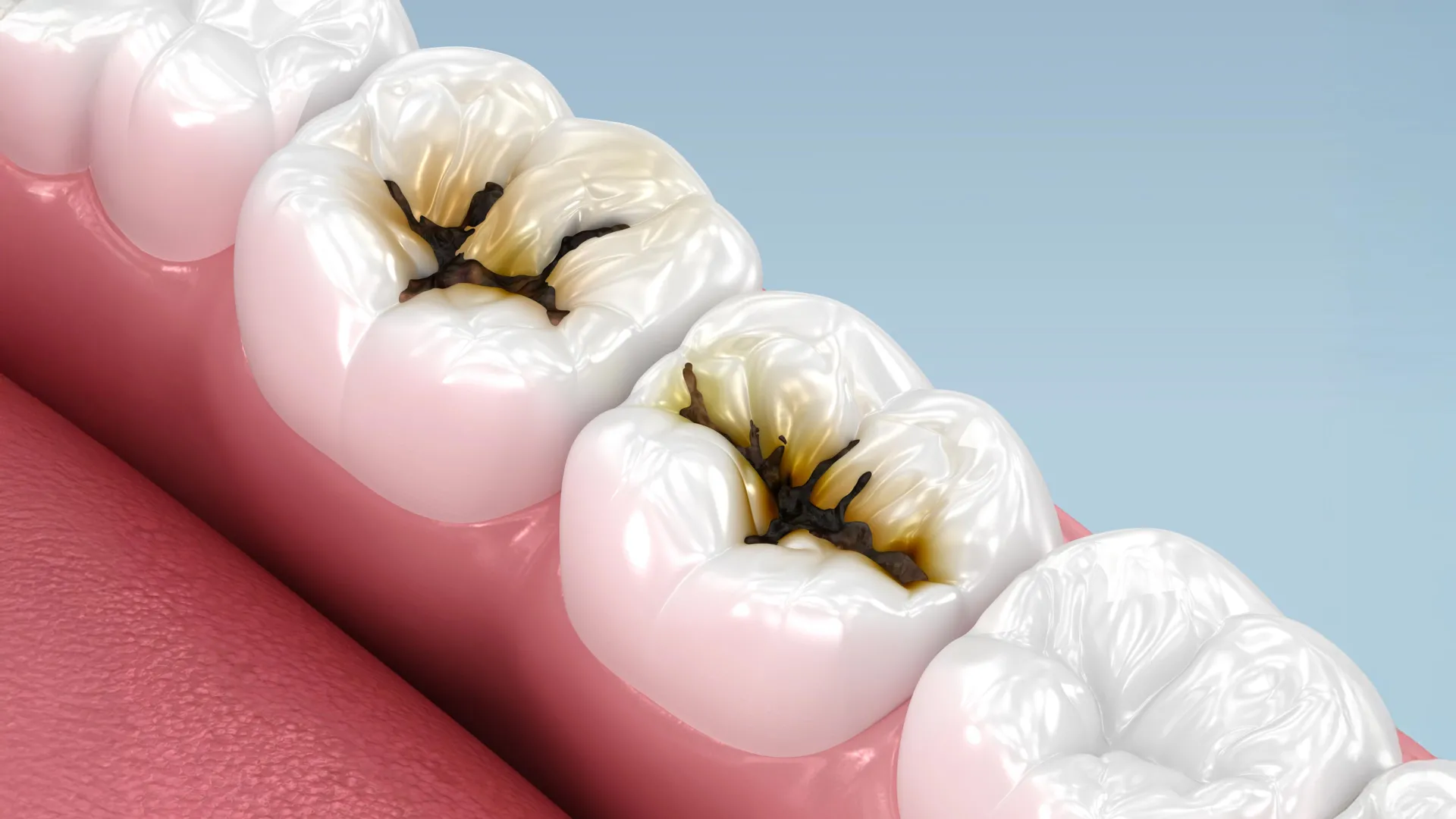
Oral bacteria metabolize sugars from meals, producing acids that slowly dissolve tooth enamel and lead to cavity development. These microbes do not exist in isolation; instead, they create thick, adhesive plaque formations called dental biofilms that adhere firmly to tooth surfaces. Inside these biofilms, acid generation intensifies, speeding up the destruction of dental structures.
Arginine’s Protective Role in Combating Tooth Decay
Scientists have discovered that arginine, a naturally occurring amino acid found in saliva, significantly contributes to preventing dental caries. Specific helpful bacteria employ an arginine deiminase system (ADS) to transform arginine into basic substances that neutralize the dangerous acids produced by harmful microbes. With increased arginine availability, these beneficial bacteria proliferate more effectively, while acid-generating species find it harder to dominate. Previous in vitro experiments, performed outside living organisms, had indicated that arginine could modify the composition of dental biofilms overall.
Clinical Testing of Arginine in the Human Oral Environment
To determine if these benefits translate to actual human mouths, a team led by postdoctoral researcher Yumi C. Del Rey and Professor Sebastian Schlafer from Aarhus University in Denmark conducted a rigorous clinical trial. The results appeared in the International Journal of Oral Science.
The experiment involved 12 individuals diagnosed with ongoing tooth decay. Participants were fitted with custom dentures designed to facilitate the collection of undisturbed dental biofilms from both the upper and lower jaws. They were instructed to immerse the dentures in a sugar solution for five minutes, immediately followed by a 30-minute exposure to either distilled water (serving as the control) or arginine solution. One side of the mouth received arginine consistently, while the opposite side got the placebo. This protocol was followed three times each day.
‘Our goal was to evaluate how arginine treatment influences the pH levels, bacterial populations, and carbohydrate framework within biofilms from caries-active patients,’ states Professor Sebastian Schlafer from the Department of Dentistry and Oral Health. Following four days, during which biofilms matured completely, the dentures were retrieved for comprehensive analysis.
Arginine Lowers Acidity Following Sugar Challenge
To quantify acidity within the biofilms, the researchers utilized a pH-responsive dye called C-SNARF-4, which enabled precise measurement of acid levels across various biofilm regions. Those biofilms treated with arginine exhibited markedly elevated pH values—indicating reduced acidity—at both 10 and 35 minutes post-sugar exposure.
‘The data demonstrated clear variations in biofilm acidity, with arginine-treated samples offering substantial protection against the acidification triggered by sugar breakdown,’ notes lead author Yumi C. Del Rey.
Modifications to Biofilm Architecture and Sugar Matrices
Additionally, the researchers probed the biofilm’s structural elements using fluorescently tagged lectins—proteins that specifically attach to certain carbohydrates. They focused on two primary sugar types: fucose and galactose, which constitute a major part of dental plaques and are believed to foster ‘acidic pockets’ that retain destructive acids close to enamel.
Arginine-exposed biofilms displayed a notable reduction in fucose-linked carbohydrates overall, potentially diminishing their pathogenic potential. Furthermore, a reconfiguration in biofilm architecture was evident: galactose-rich carbohydrates diminished at the biofilm’s base near the tooth and accumulated more toward the outer layers, implying a rearrangement that could hinder acid accumulation against dental surfaces.
Altering the Oral Microbial Ecosystem
Bacterial identification was achieved through 16S rRNA gene sequencing of the microbial DNA. Both arginine-treated and control biofilms were primarily populated by Streptococcus and Veillonella genera. Nevertheless, arginine application substantially decreased the abundance of the mitis/oralis Streptococcus subgroup, which excels at acid production but poorly generates neutralizing alkalis.
Conversely, arginine modestly boosted populations of Streptococcus strains adept at arginine metabolism. This microbial rebalancing contributed to higher internal pH in the biofilms. Collectively, these observations illustrate how arginine renders dental biofilms less destructive by mitigating acidity, modifying sugar profiles, and recalibrating the bacterial makeup.
A Secure, Natural Approach to Cavity Prevention
Dental caries is a widespread issue impacting individuals across all age groups globally. The study authors propose incorporating arginine into everyday oral care items like toothpastes or mouthwashes to safeguard high-risk populations. As a naturally produced amino acid present in the body and abundant in various foods, arginine poses minimal safety concerns and may be appropriate even for pediatric use, offering a gentle yet effective defense against enamel erosion.