

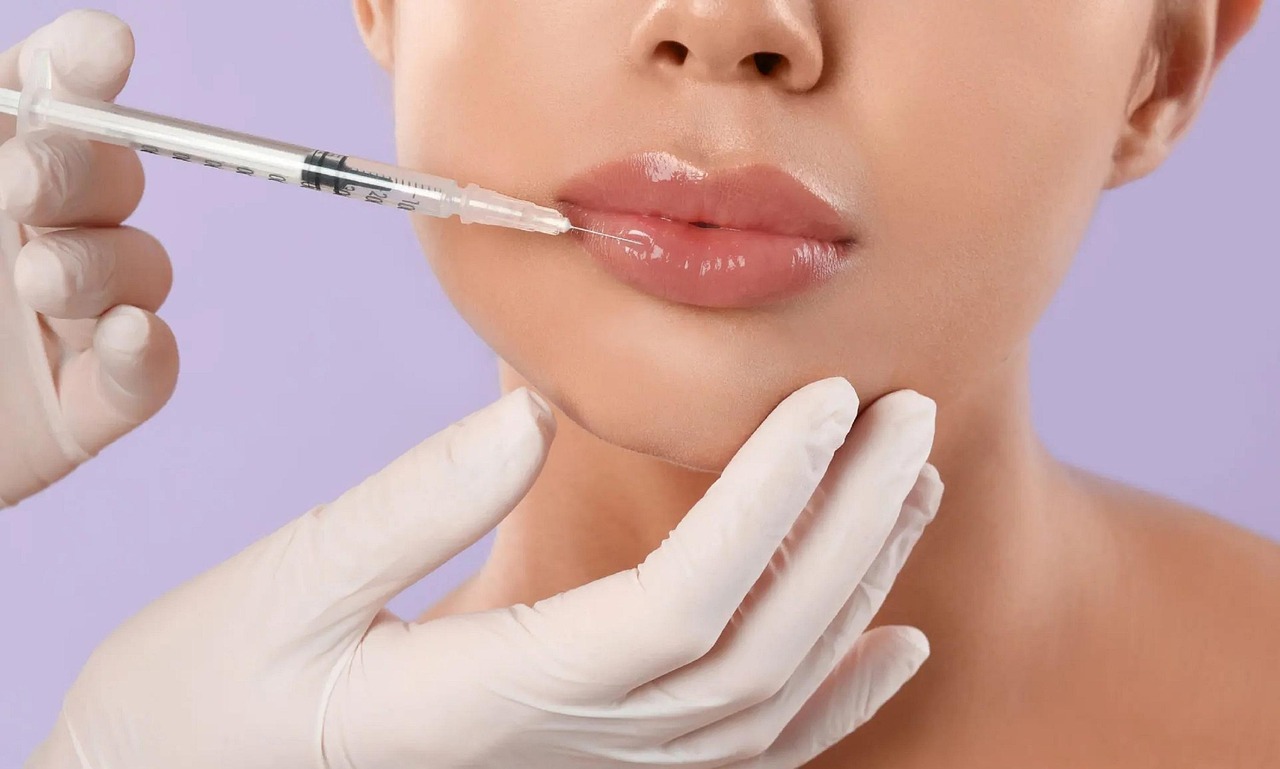
The demand for non-surgical wrinkle reduction treatments has skyrocketed in recent years, with countless people opting for these minimally invasive options to achieve a refreshed, youthful appearance. Among the top choices, Botox and dermal fillers stand out, frequently compared despite their unique functions and outcomes in cosmetic enhancement.
Gaining insight into the mechanisms of these injectables, the anticipated results post-procedure, and their associated risks empowers people to select the most suitable aesthetic solutions for their needs.
Differentiating Botox from Dermal Fillers
Although both Botox and fillers belong to the category of injectable wrinkle treatments, they address distinct aspects of facial aging. Botox functions as a neuromodulator that temporarily paralyzes the muscles responsible for dynamic wrinkles, like those between the brows or around the eyes. In comparison, dermal fillers work to replenish lost volume and soften static wrinkles, which remain visible even without facial expressions.
The key component in Botox is botulinum toxin type A, which blocks nerve impulses leading to muscle contractions. Fillers, conversely, employ hyaluronic acid or similar viscous materials to provide structural support under the skin’s surface. Thus, Botox excels at diminishing lines formed by repetitive motions, while fillers effectively volumize depressed areas including cheeks, lips, and nasolabial folds.
Regarding duration, effects from Botox generally endure for three to four months, whereas fillers can maintain their plumpness from six months up to two years, varying by product type. Pricing structures differ too: Botox is billed by units, and fillers by syringe volume. These procedures are swift, involve minimal invasiveness, and allow for quick return to daily activities with negligible recovery time.
The Mechanism Behind Botox Injections
Botox operates by inhibiting the release of acetylcholine, the chemical messenger that prompts facial muscles to contract. Precise injections into specific sites induce muscle relaxation, halting the repeated actions that etch deeper lines into the skin over time.
A standard Botox session spans roughly 10 to 15 minutes, featuring multiple tiny injections administered via a slender needle. Discomfort is typically minimal, akin to a brief sting. Visible changes emerge in three to five days, peaking at about two weeks when the skin appears fully smoothed.
The smoothing provided by Botox persists for up to four months, after which muscular activity resumes, gradually bringing back the wrinkles. Regular sessions can condition the muscles, potentially extending the interval between treatments over time.
Common applications include horizontal forehead creases, vertical glabellar lines, and lateral crow’s feet. Beyond cosmetics, Botox treats conditions like hyperhidrosis and spasms. Its appeal stems from delivering understated, believable enhancements without the need for surgical intervention or prolonged healing.
Understanding Dermal Filler Applications
In contrast to Botox’s focus on motion-induced lines, dermal fillers counteract age-related deflation, gravitational shifts, and volume deficits. These gel-based injectables are placed subdermally to enhance contours and diminish pronounced creases.
Most formulations feature hyaluronic acid, which binds water to hydrate and rejuvenate the skin, as noted by medical experts. Alternative materials encompass calcium hydroxylapatite for profound wrinkles, poly-L-lactic acid to boost collagen synthesis, and polymethyl methacrylate for enduring augmentation.
Filler procedures range from 15 to 45 minutes, with the provider employing advanced methods to sculpt features like cheekbones, lips, jawlines, or tear troughs. Enhancement is instantaneous, further optimizing as initial swelling fades over hours or days.
Longevity spans six months to two years, influenced by the formula, injection site, and personal metabolic rate. Scheduled maintenance injections sustain the revitalized look and stave off further hollowing.
Comparing Outcomes: Botox Effects Versus Filler Results
Botox and fillers complement each other in comprehensive facial renewal strategies, often producing superior synergy when used together. Botox targets expressive folds, while fillers reconstruct contours diminished by time.
Botox suits dynamic concerns like brow furrows and eye crinkles; fillers address marionette lines, midface droop, or lip enhancement. Integrating them mimics a non-surgical facelift, tackling diverse aging signs holistically.
Botox yields gradual, nuanced refinement, unlike the prompt plumping from fillers. Expert execution ensures seamless, lifelike transformations that honor individual expressiveness and proportions.
Potential Risks and Side Effects of Botox and Fillers
All aesthetic interventions involve inherent risks, and familiarity with injectable side effects fosters appropriate expectations. Both treatments commonly provoke transient redness, puffiness, discoloration, or sensitivity at entry points, resolving swiftly within days.
Botox may occasionally cause eyelid ptosis or asymmetric relaxation if diffusion occurs unintendedly. Fillers risk unevenness or nodules from suboptimal placement; vascular mishaps, though uncommon, demand immediate attention to avert necrosis.
Selecting board-certified experts versed in anatomy minimizes hazards. Post-procedure protocols—refraining from exertion, saunas, or manipulation for 24-48 hours—optimize safety. Persistent symptoms warrant urgent provider consultation.
Selecting the Ideal Treatment: Botox or Fillers?
The choice hinges on age, dermal health, desired changes, and finances. Preventive Botox benefits those with nascent expression lines; fillers suit pronounced static deficits like sunken cheeks or deflated lips.
Immediacy matters: fillers deliver on-the-spot fullness, Botox builds over days. Experts often initiate with one, evolving to combos for equilibrium. Prioritize consultations with credentialed dermatologists who assess anatomy, align visions, and tailor plans.
Steer clear of bargain hunts or unqualified sources, as subpar execution risks poor aesthetics or health issues.
Professional Advice for Secure Injectable Procedures
Prioritizing safety in wrinkle injectables involves vetted providers, hygienic protocols, and premium products. Verify licenses, review portfolios, and demand transparency.
Full disclosure of health profiles, pharmaceuticals, and sensitivities preempts issues. Pre-treatment abstinence from alcohol or blood-thinners curbs bruising. Adhering to no-facials, no-massage rules post-injection promotes uniform healing and durable outcomes.
Achieving Authentic Rejuvenation with Injectables
Botox versus fillers boils down to wrinkle etiology and rejuvenation objectives. Botox masters repetitive motion creases; fillers rebuild scaffolding.
Artful administration harmonizes them for vital, unexaggerated renewal. Armed with knowledge of operations and risks, consumers confidently advance their cosmetic pursuits.
These trusted, low-downtime modalities foster enduring facial vitality and poise.
Frequently Asked Questions
1. Will stopping Botox or fillers worsen wrinkles?
No, cessation reverts the skin to baseline without hastening decline or deepening lines.
2. Are these treatments viable for every skin type?
Generally yes, though pre-screening is advised for dermatological anomalies or hypersensitivities.
3. When can makeup resume post-injection?
Delay 24 hours to avert irritation or contamination risks.
4. What’s the exercise wait time after procedures?
Hold off 24-48 hours to prevent migration or hematomas from circulation surges.