

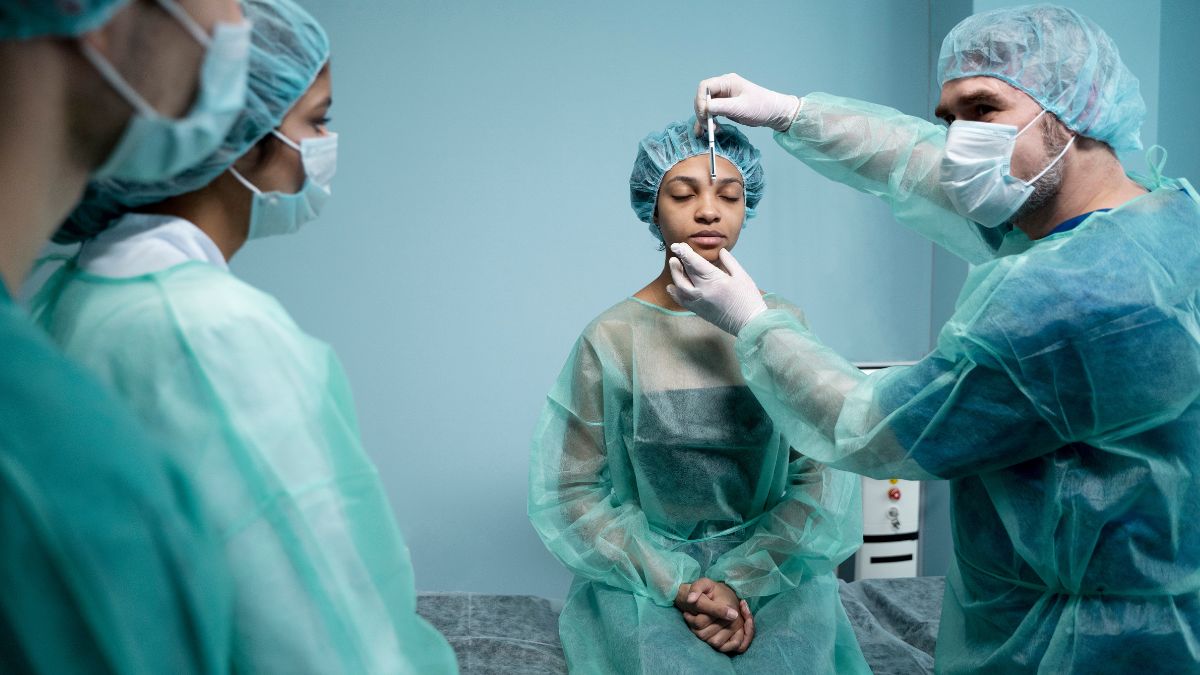
The field of medical aesthetics is experiencing unprecedented growth, with innovative treatments and technologies emerging at a rapid pace. However, this expansion brings significant challenges, particularly regarding the qualifications and preparation of practitioners performing these procedures. Proper training has become an indispensable cornerstone for ensuring patient safety, achieving optimal outcomes, and maintaining the credibility of the entire industry as it continues to evolve into the future.
Understanding Medical Aesthetics and Its Rapid Evolution
Medical aesthetics encompasses a wide array of minimally invasive cosmetic procedures designed to enhance physical appearance while prioritizing health and safety. Common treatments include injectables such as Botox and dermal fillers, laser therapies, chemical peels, microneedling, and advanced skin rejuvenation techniques. What distinguishes medical aesthetics from traditional cosmetology is the involvement of prescription medications, medical devices, and procedures that require a deep understanding of human anatomy, pharmacology, and potential physiological responses.
Over the past decade, the demand for these services has skyrocketed, driven by social media influences, celebrity endorsements, and a growing societal emphasis on youthful appearances. According to industry reports, the global medical aesthetics market is projected to exceed $20 billion by 2026, reflecting a compound annual growth rate of over 10%. This surge has attracted a diverse range of professionals, including dermatologists, plastic surgeons, nurses, physician assistants, and even non-medical personnel, into the practice. While this influx brings innovation, it also underscores the urgent need for standardized, comprehensive training programs to mitigate risks associated with unqualified practitioners.
The Risks of Inadequate Training in Medical Aesthetics
When individuals without proper medical education and hands-on training enter the field, the consequences can be severe and far-reaching. One of the most pressing concerns is the high incidence of complications arising from improper technique or misunderstanding of product interactions. For instance, incorrectly administered dermal fillers can lead to vascular occlusion, where the filler material blocks blood vessels, potentially causing tissue necrosis or even blindness if injected near critical facial arteries.
Statistics highlight the gravity of this issue. A study published in the Journal of the American Academy of Dermatology reported that nearly 20% of aesthetic procedures worldwide result in some form of adverse event, with inadequate training cited as a primary factor in over half of these cases. Common complications include bruising, swelling, infection, asymmetry, granulomas, and allergic reactions. In extreme scenarios, patients have suffered permanent disfigurement or required emergency interventions, eroding public trust in the field.
Moreover, the lack of rigorous training contributes to inconsistent results, leaving patients dissatisfied and reluctant to pursue further treatments. This not only harms individual practices but also tarnishes the reputation of legitimate providers who adhere to high standards. Regulatory bodies have noted a rise in complaints and malpractice lawsuits directly linked to untrained or undertrained injectors, emphasizing the need for reform.
Key Components of Comprehensive Medical Aesthetics Training
Effective training programs in medical aesthetics must go beyond superficial workshops or online certifications. They should provide a holistic education that equips practitioners with both theoretical knowledge and practical expertise. Core elements include an in-depth study of facial and body anatomy, particularly the vascular and neural structures vulnerable during injections. Trainees learn to identify danger zones, master injection techniques, and recognize early signs of complications.
Pharmacology forms another critical pillar, covering the properties, dosages, dilution ratios, and contraindications of neuromodulators like Botox, Dysport, and Xeomin, as well as hyaluronic acid fillers such as Juvederm and Restylane. Understanding how these products interact with the body, including duration of effects and reversal agents like hyaluronidase, is essential for safe practice.
Hands-on experience under supervision is irreplaceable. Reputable programs incorporate live patient models, cadaver labs, and simulation mannequins to build muscle memory and confidence. Participants practice on diverse skin types and ages to appreciate variations in tissue response and aging patterns. Additionally, training addresses patient consultation skills, including medical history review, realistic expectation setting, and informed consent processes to foster ethical practices.
- Detailed facial anatomy mapping and injection plane identification
- Product science, including viscosity, longevity, and migration risks
- Complication management protocols and emergency response
- Combination therapy strategies for natural-looking results
- Business aspects like regulatory compliance and record-keeping
Regulatory Landscape and Certification Standards
Regulations governing medical aesthetics vary significantly by region, complicating efforts to establish universal standards. In the United States, for example, only licensed physicians, nurse practitioners, and physician assistants under supervision can legally perform most injectable treatments, though some states allow registered nurses with specific certifications. Europe follows similar medical oversight, while countries like Australia mandate training through accredited bodies.
Despite these frameworks, loopholes persist, particularly with non-medical spas offering treatments by estheticians or beauty therapists after minimal weekend courses. Professional organizations such as the American Society for Aesthetic Plastic Surgery (ASAPS) and the International Society of Aesthetic Plastic Surgery (ISAPS) advocate for stringent certification requirements, including a minimum of 100 supervised procedures before independent practice.
Certification from bodies like the American Academy of Facial Esthetics (AAFE) or Core Medical Training provides validation of skills. These credentials demonstrate commitment to excellence and often include ongoing education mandates to keep pace with innovations like next-generation biostimulators and polynucleotide therapies.
Benefits of Proper Training for Practitioners and Patients
For practitioners, investing in high-quality training translates to enhanced competence, reduced liability, and business growth. Skilled providers achieve superior, predictable results that encourage repeat visits and positive referrals. They can command premium pricing and attract discerning clients seeking safety over discounts. Moreover, well-trained professionals contribute to industry elevation by mentoring others and participating in research.
Patients reap the most direct rewards. Competently trained injectors minimize risks, deliver harmonious enhancements, and prioritize long-term skin health. Comprehensive training ensures personalized treatment plans accounting for individual anatomy, lifestyle, and goals, leading to higher satisfaction rates. Educated patients also receive transparent information about procedures, downtime, and maintenance, empowering informed decisions.
Emerging Trends and the Need for Continuous Education
The medical aesthetics landscape is dynamic, with constant advancements necessitating lifelong learning. Recent innovations include hyperdilute fillers for subtle contouring, platelet-rich plasma (PRP) combinations, and AI-assisted treatment planning. New regulations around off-label uses and combination therapies further demand updated knowledge.
Forward-thinking practitioners engage in annual conferences, webinars, and peer-reviewed journals to stay current. Membership in professional networks facilitates knowledge sharing and best practice adoption. As technologies like exosome therapy and stem cell integration emerge, only those committed to continuous education will thrive.
Choosing the Right Training Program: What to Look For
Prospective trainees should scrutinize programs meticulously. Verify instructor credentials—ideally board-certified dermatologists or plastic surgeons with thousands of procedures. Favor hands-on heavy curricula over lecture-based ones, with small class sizes for personalized feedback. Check for accreditation by recognized bodies and post-training support like alumni networks.
Avoid red flags such as unrealistically short durations, lack of live models, or promises of instant mastery. Testimonials and before-after portfolios offer insights into program efficacy. Ultimately, the best training aligns theory with extensive practice, preparing graduates for real-world challenges.
- Experienced faculty with proven track records
- Low student-to-instructor ratios
- Inclusion of complication workshops
- Focus on evidence-based techniques
- Pathways for advanced certifications
Case Studies: Training’s Impact in Action
Real-world examples illustrate training’s transformative power. Consider Dr. Elena Ramirez, a family physician who transitioned to aesthetics after a comprehensive 4-day injection course. Within a year, her practice grew 300% due to exceptional results and zero complications, attributing success to anatomy-focused training.
Conversely, a non-medical spa in Florida faced shutdown after multiple filler-induced vascular occlusions by undertrained staff, resulting in lawsuits exceeding $500,000. These cases underscore that proper preparation prevents disasters and builds sustainable careers.
The Future of Medical Aesthetics: Training as the Foundation
Looking ahead, proper training will define medical aesthetics’ trajectory. As consumer awareness rises, patients increasingly demand proof of qualifications, pressuring providers to upskill. Governments and insurers may impose stricter mandates, including mandatory proficiency exams and outcome tracking.
Industry leaders must collaborate on global standards, perhaps through unified curricula and competency benchmarks. Educational institutions could integrate aesthetics modules into medical residencies, normalizing the specialty. Ultimately, prioritizing rigorous training safeguards patients, elevates professionals, and secures a prosperous future for medical aesthetics.
In conclusion, the stakes in medical aesthetics are extraordinarily high—patient well-being, professional integrity, and industry longevity all hinge on unwavering commitment to proper training. By championing education, stakeholders can transform potential pitfalls into opportunities for excellence, ensuring this vibrant field flourishes responsibly for generations to come.