

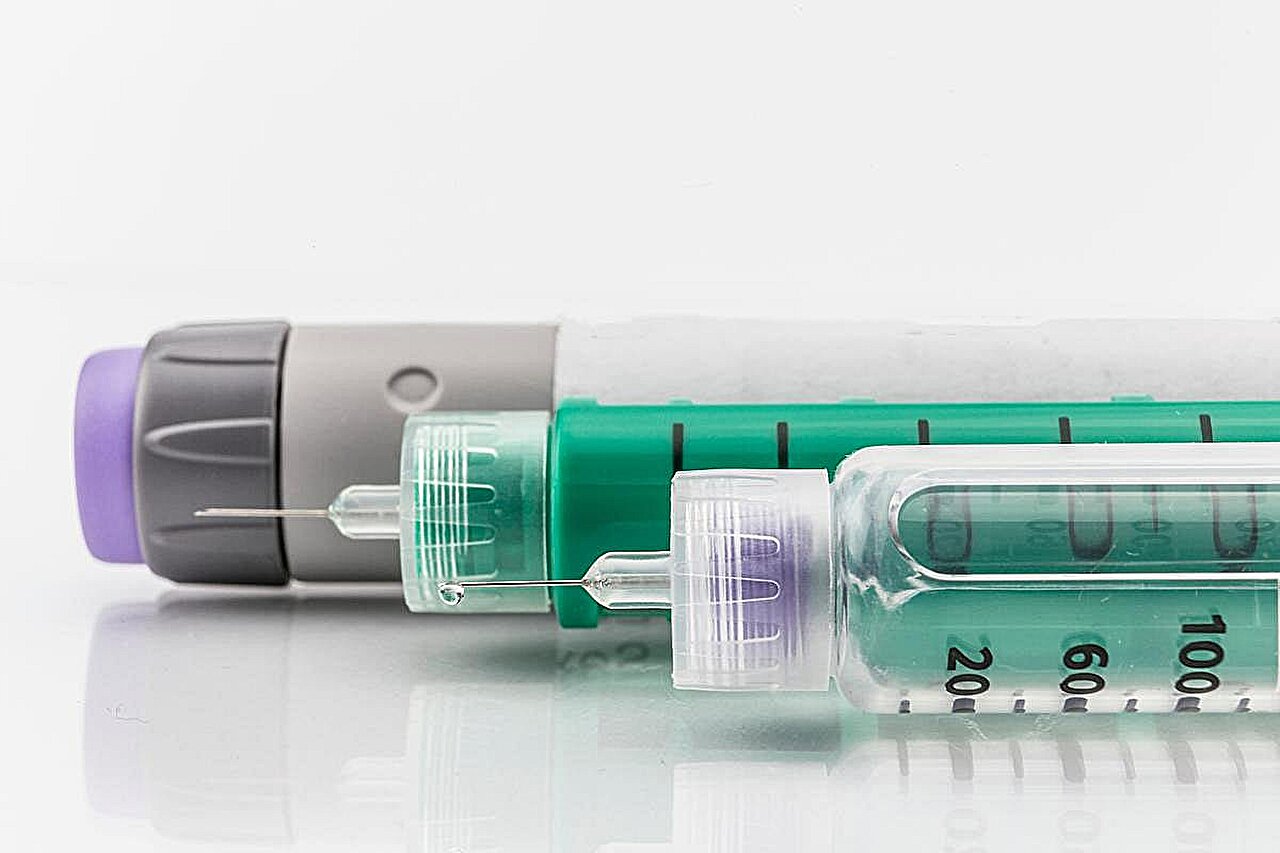
The United States Food and Drug Administration has officially granted approval to Dupixent, known generically as dupilumab, for treating both adult patients and children who are at least 6 years old suffering from allergic fungal rhinosinusitis, particularly those with a documented history of sino-nasal surgical interventions. This significant regulatory decision marks a pivotal advancement in managing this challenging condition.
Dupixent was awarded priority review status specifically for allergic fungal rhinosinusitis due to the condition’s frequent resistance to conventional therapeutic approaches. At present, the typical treatment protocol for patients involves surgical procedures combined with extended regimens of systemic corticosteroids. Unfortunately, recurrence of the disease remains a common issue, often leading to repeated interventions and ongoing management difficulties for healthcare providers and patients alike.
The foundation for this FDA approval stems from comprehensive data derived from the LIBERTY-AFRS-AIMS phase 3 clinical trial. In this study, researchers enrolled 62 individuals diagnosed with allergic fungal rhinosinusitis. These participants were randomly allocated into two groups: 33 received Dupixent administered in doses tailored to their age and body weight, either 200 mg or 300 mg every two or four weeks, while the remaining 29 were given a placebo. The primary measure of efficacy focused on sinus opacification, which was meticulously evaluated through computed tomography imaging. Results demonstrated a remarkable 50% improvement in sinus opacification among those treated with Dupixent, in stark contrast to just a 10% improvement observed in the placebo group, with these benefits evident as early as week 24 and sustained through week 52.
Beyond the objective radiological improvements, patients receiving Dupixent reported substantial relief from subjective symptoms as well. For instance, nasal congestion and obstruction scores, based on patient self-assessments, showed a 67% enhancement at week 24 compared to only 25% in the placebo cohort. These gains continued to progress, reaching an impressive 81% improvement by week 52 versus a mere 11% in the control group. Such consistent symptom alleviation highlights the drug’s robust therapeutic profile over an extended period.
Further endoscopic evaluations revealed equally compelling outcomes regarding nasal polyp burden. At week 24, polyp sizes decreased by 61% in the Dupixent group compared to 15% with placebo, and by week 52, the reductions were 63% versus just 4%, respectively. These findings underscore the medication’s capacity to address structural abnormalities within the nasal passages effectively.
The treatment also yielded additional clinical advantages, including a notable 67% improvement in patient-reported loss of smell at week 24, far surpassing the 19% seen with placebo. Moreover, Dupixent significantly alleviated the overall treatment burden associated with the disease. Specifically, it was linked to a 92% decrease in the risk of requiring systemic corticosteroid therapy or undergoing additional surgical procedures, offering patients a more sustainable path to disease control.
George D. Yancopoulos, M.D., Ph.D., who serves as the president and chief scientific officer at Regeneron, emphasized the multifaceted benefits of this therapy in a formal statement. He noted that Dupixent not only effectively diminishes nasal signs and symptoms but also substantially lowers the necessity for repeat surgeries or reliance on systemic corticosteroids. Additionally, fewer patients experienced bone erosion in their sinuses, a common and debilitating complication of allergic fungal rhinosinusitis. Yancopoulos further highlighted that these trial outcomes position Dupixent to potentially redefine the standard of care for individuals grappling with this condition on a daily basis.
This particular approval for Dupixent in the context of allergic fungal rhinosinusitis has been formally granted to Regeneron, the biopharmaceutical company that developed the drug. The decision represents another milestone in the expanding indications for dupilumab, which has previously demonstrated efficacy across a spectrum of allergic and inflammatory disorders.
Allergic fungal rhinosinusitis itself is a complex subtype of chronic rhinosinusitis characterized by an intense allergic response to fungal elements within the sinus cavities. Patients often present with thick, eosinophil-rich mucus, nasal polyposis, and recurrent sinus infections, leading to significant morbidity. The condition disproportionately affects individuals with underlying atopic tendencies, such as asthma or allergic rhinitis, complicating its management further.
Traditional management has long centered on endoscopic sinus surgery to remove fungal debris and polyps, followed by maintenance with oral or intranasal corticosteroids. However, these approaches are far from ideal, as they carry risks of steroid-related side effects like osteoporosis, diabetes, and immunosuppression with prolonged use. Recurrence rates post-surgery can exceed 50% within a few years, perpetuating a cycle of interventions that impact quality of life profoundly.
Dupixent’s mechanism of action addresses the root immunological dysregulation in allergic fungal rhinosinusitis by blocking the signaling of interleukin-4 and interleukin-13, key cytokines driving type 2 inflammation. This targeted biologic therapy offers a steroid-sparing alternative, potentially transforming long-term outcomes for affected patients across age groups starting from 6 years old.
The LIBERTY-AFRS-AIMS trial’s design was rigorous, employing both objective endpoints like CT-based Lund-Mackay scores for opacification and subjective tools such as the Sino-Nasal Outcome Test. The statistically significant separations between active treatment and placebo arms at multiple time points affirm the drug’s efficacy and durability. Safety profiles aligned with prior approvals, with common adverse events including injection-site reactions and conjunctivitis, generally mild and manageable.
Healthcare professionals anticipate that this approval will integrate Dupixent into clinical guidelines promptly, particularly for patients with refractory disease or those intolerant to systemic steroids. Pediatric inclusion broadens its reach, addressing a vulnerable population where surgical risks are heightened. Ongoing research may explore even younger age groups or combination therapies to optimize results further.
Regeneron’s leadership in developing Dupixent continues to expand its utility in type 2 inflammatory diseases, from atopic dermatitis to now specialized rhinosinusitis variants. This approval not only validates the platform’s versatility but also signals hope for patients enduring the relentless burden of allergic fungal rhinosinusitis.