
As the global population continues to age at an unprecedented rate, the demand for innovative solutions to support elderly individuals in maintaining their independence and quality of life has never been more pressing. Assistive technology, particularly new medical devices designed specifically for seniors, is emerging as a game-changer in this arena. These advanced tools are not just gadgets; they represent a profound shift in how we approach aging, offering practical ways to overcome physical limitations, enhance safety, and foster greater autonomy. From wearable monitors that track vital signs in real-time to smart home systems that anticipate needs before they arise, these technologies are poised to transform the daily experiences of older adults, allowing them to live more comfortably and securely in their own homes for longer periods.
Understanding the Aging Challenge
Aging brings with it a host of challenges that can significantly impact mobility, cognition, and overall health. Common issues such as reduced strength, balance problems, memory lapses, and chronic conditions like arthritis or heart disease often lead to increased dependency on caregivers or institutional care. Statistics show that by 2050, the number of people aged 60 and older will double, reaching over 2 billion worldwide, according to projections from the United Nations. This demographic shift underscores the urgency for scalable, effective interventions. Traditional methods, while helpful, frequently fall short in providing comprehensive, personalized support. Assistive technologies bridge this gap by integrating seamlessly into everyday life, empowering seniors to manage their health proactively and reducing the burden on family members and healthcare systems alike.
Moreover, these devices address the emotional aspects of aging. Feelings of isolation, fear of falling, or frustration with diminished capabilities can erode mental well-being. By restoring a sense of control and confidence, new medical innovations help mitigate these psychological hurdles, promoting mental health alongside physical wellness. The integration of artificial intelligence and sensor technology further enhances their efficacy, making them adaptive to individual user patterns and preferences.
Key Categories of Assistive Devices for Seniors
The landscape of assistive technology for aging populations is diverse, encompassing a wide array of devices tailored to specific needs. These can be broadly categorized into mobility aids, health monitoring systems, cognitive support tools, and home automation solutions. Each category plays a crucial role in enhancing different facets of senior life, from physical movement to mental sharpness and environmental safety.
Mobility Enhancement Technologies
Mobility is one of the first casualties of aging, with many seniors facing difficulties in walking, climbing stairs, or even standing from a seated position. Exoskeletons and powered orthotics are at the forefront of this revolution. These wearable robotic suits provide mechanical support to weakened muscles and joints, enabling users to walk farther and with less effort. For instance, lower-limb exoskeletons use motors and sensors to assist with each step, reducing the risk of falls and fatigue. Clinical trials have demonstrated that users experience up to 30% improvement in walking speed and endurance, significantly boosting their independence.
Smart walkers represent another breakthrough. Unlike conventional walkers, these incorporate GPS tracking, obstacle detection via ultrasonic sensors, and even voice-activated controls. They can alert caregivers if the user wanders off a predefined safe zone or encounters instability. Additionally, robotic companions like advanced versions of devices such as the Robear or similar lifts help with transferring from bed to chair, minimizing strain on both the senior and their helpers. These innovations not only preserve physical function but also encourage an active lifestyle, which is vital for preventing muscle atrophy and maintaining cardiovascular health.
Health Monitoring and Vital Signs Trackers
Continuous health monitoring is essential for seniors, many of whom live with multiple chronic conditions requiring vigilant oversight. Wearable devices such as smartwatches and patches now offer comprehensive tracking of heart rate, blood pressure, oxygen saturation, and even early signs of arrhythmias or infections. These devices use biosensors and machine learning algorithms to detect anomalies and send immediate notifications to healthcare providers or family members via smartphone apps.
In particular, non-invasive glucose monitors for diabetics eliminate the need for painful finger pricks, providing real-time blood sugar readings through skin patches or implantable sensors. Fall detection systems embedded in pendants or shoe insoles use accelerometers to identify sudden impacts and automatically trigger emergency calls. Studies indicate that such proactive monitoring can reduce hospital admissions by up to 25%, as early interventions prevent minor issues from escalating into crises. Furthermore, these tools facilitate remote consultations, allowing doctors to adjust treatments based on live data without requiring in-person visits.
Cognitive Aids and Memory Support Systems
Cognitive decline, including mild forgetfulness to more severe forms like dementia, affects millions of seniors. Assistive devices in this domain include smart reminders, voice-activated assistants, and augmented reality glasses that provide contextual cues. For example, electronic pill dispensers not only dispense medications at scheduled times with audible alerts but also track adherence and reorder supplies automatically when low.
AI-powered companions, resembling friendly robots or tablet interfaces, engage users in conversations, play memory games, and remind them of daily routines. These systems learn from interactions to personalize prompts, such as “It’s time for your walk, John, just like yesterday.” Research from institutions like MIT shows that regular use can slow cognitive deterioration by stimulating neural pathways. GPS-enabled locators disguised as key fobs or jewelry help prevent wandering, a common and dangerous issue in Alzheimer’s patients, by guiding them home or alerting authorities.
Smart Home Integration for Safety and Comfort
The home environment can be adapted with assistive technology to become a safe haven. Smart lighting systems adjust automatically based on motion or time of day, preventing trips in the dark. Automated door locks with biometric scanners ensure security without the hassle of keys, while voice-controlled thermostats maintain optimal temperatures to avoid hypothermia risks.
Advanced bathroom sensors detect slips or irregular vital signs during showers, activating help protocols. Kitchen aids like robotic arms retrieve items from high shelves or prepare simple meals. Integration with platforms like Amazon Alexa or Google Home allows seniors to control all these features hands-free, reducing physical exertion. A comprehensive smart home setup can decrease accident rates by 40%, according to safety studies, while also providing peace of mind to distant relatives through live video feeds and activity logs.
Emerging Innovations on the Horizon
The future holds even more promising developments. Neural interfaces, still in early stages, aim to connect brain signals directly to devices, potentially restoring movement in paralyzed limbs. Nanobots for internal monitoring could patrol the bloodstream, delivering drugs precisely where needed or repairing cellular damage. Haptic feedback suits provide sensory restoration for those with neuropathy, simulating touch and balance sensations.
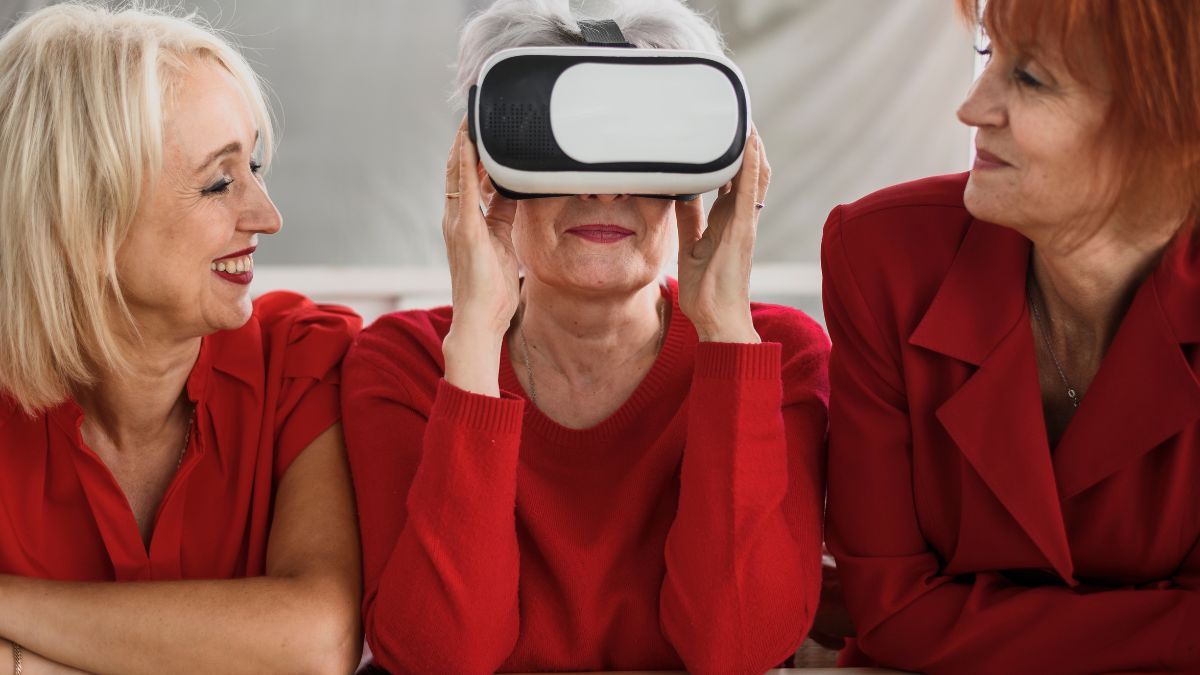
3D-printed prosthetics customized to individual anatomy are becoming affordable and lightweight, using flexible materials that mimic skin. Virtual reality systems for rehabilitation offer immersive exercises that make therapy engaging, improving outcomes for stroke survivors. These cutting-edge technologies are undergoing rigorous testing, with many expected to enter consumer markets within the next decade.
Benefits Beyond the Physical
The impact of these devices extends far beyond physical assistance. They foster social connectivity through video call integrations and virtual community features, combating loneliness—a major health risk comparable to smoking. Cost savings are substantial; by preventing falls and hospitalizations, assistive tech could save healthcare systems billions annually. For families, it means less worry and more quality time, as remote monitoring provides reassurance.
From an SEO perspective, terms like “assistive technology for seniors,” “medical devices for elderly,” and “aging in place innovations” are increasingly searched, reflecting growing interest. These tools also promote preventive care, encouraging healthy behaviors through gamified apps that reward exercise or medication compliance.
Challenges and Considerations
Despite their potential, adoption faces hurdles. Cost remains a barrier, though insurance coverage is expanding. Digital literacy is another issue; intuitive designs and training programs are essential. Privacy concerns with data collection necessitate robust cybersecurity. Ethical questions about over-reliance on tech versus human interaction must be addressed. Regulatory approvals ensure safety, but innovation pace sometimes outstrips standards.
Interoperability between devices from different manufacturers is improving via standards like Bluetooth Low Energy and Zigbee. User-centered design, involving seniors in development, ensures usability. Pilot programs in communities demonstrate high satisfaction rates, with 85% of users reporting enhanced independence.
Real-World Success Stories
Consider Margaret, a 78-year-old with arthritis, who uses an exoskeleton to garden daily, reclaiming her passion. Or Tom, whose smart home prevented multiple falls, allowing him to stay in his beloved house. Clinical case studies abound, showing reduced caregiver hours and improved mental health scores. Organizations like AARP endorse these technologies, advocating for wider accessibility.
Implementation Strategies for Families and Caregivers
Starting with an assessment of needs is key. Consult occupational therapists for tailored recommendations. Begin with basic devices like fall detectors before scaling to full smart homes. Training sessions build confidence. Financial aid through Medicare or grants can offset costs. Regular maintenance ensures longevity.
Future Outlook and Policy Recommendations
Governments should incentivize R&D via tax credits and fund public trials. International collaboration can standardize devices for global use. As AI evolves, predictive analytics will foresee health declines, enabling preemptive care. The synergy of assistive tech with telemedicine promises a holistic care model.
In conclusion, assistive technology is reshaping aging from a period of decline to one of empowered living. These medical devices offer hope, dignity, and practicality, ensuring seniors thrive rather than merely survive. Embracing them today paves the way for healthier tomorrows.