

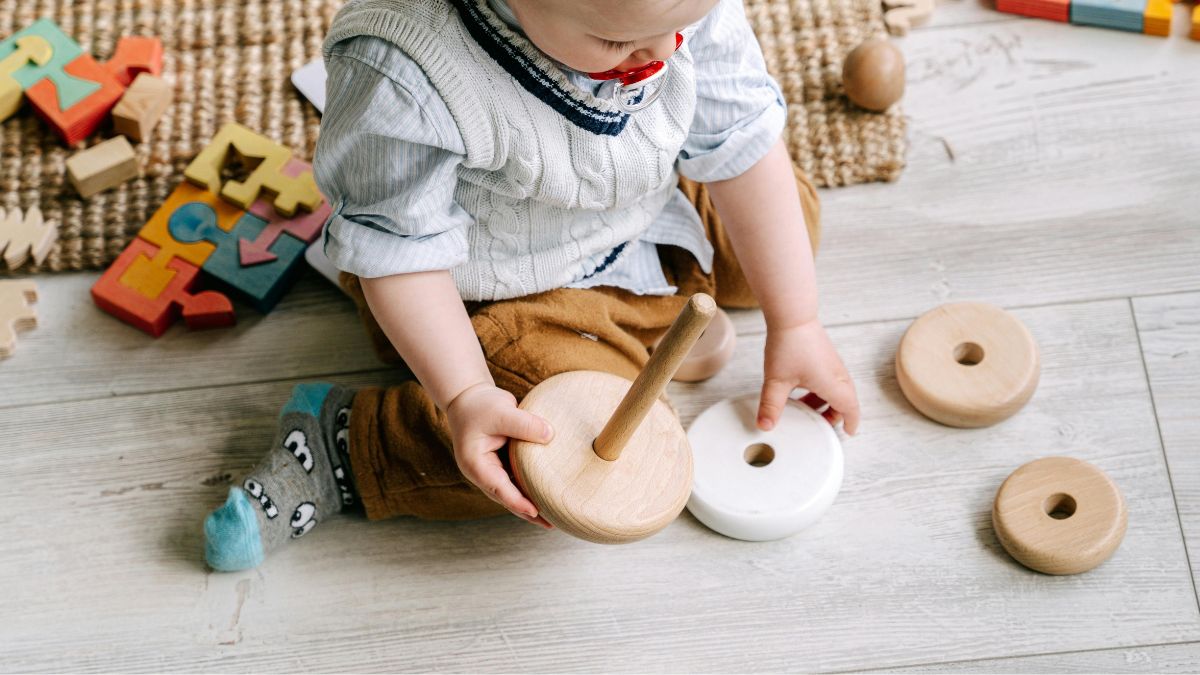
Gross motor activities play a fundamental role in the comprehensive development of children during their early years. These activities encompass large muscle movements that facilitate essential physical, cognitive, emotional, and social growth milestones. From the moment infants begin to roll over or reach for objects, through toddlers mastering walking and running, to preschoolers engaging in more complex physical play, gross motor skills form the bedrock of healthy childhood progression.
Understanding Gross Motor Skills
Gross motor skills refer to the abilities that involve the larger muscle groups of the body, including those in the arms, legs, back, and torso. These skills enable children to perform broad movements such as crawling, standing, walking, jumping, and throwing. Unlike fine motor skills, which focus on smaller, more precise actions like grasping a pencil or buttoning a shirt, gross motor development is about whole-body coordination and strength. Early childhood is a critical period when these skills rapidly evolve, laying the groundwork for lifelong physical competence and health.
The development of gross motor skills follows a predictable sequence influenced by both maturation and environmental opportunities. For instance, babies typically start with reflexive movements, progressing to voluntary control as their nervous system matures. Parents and caregivers often observe this progression firsthand, from tummy time leading to rolling, pushing up on arms, sitting unsupported, and eventually pulling to stand. Each stage builds upon the previous one, enhancing balance, coordination, and spatial awareness.
Physical Health Benefits
Engaging in gross motor activities significantly contributes to a child’s physical health. Regular movement strengthens muscles and bones, improves cardiovascular fitness, and helps maintain a healthy body weight. Children who participate in active play are less likely to develop obesity, a growing concern in modern sedentary lifestyles dominated by screen time. Physical activity also boosts the immune system, enhances sleep quality, and promotes better digestion.
Moreover, these activities aid in the development of postural control and body awareness. As children learn to navigate their environment—climbing stairs, balancing on one foot, or riding a tricycle—they refine their proprioception, the body’s ability to sense its position in space. This not only prevents injuries but also supports more advanced athletic skills later in life. Research consistently shows that children with strong gross motor foundations exhibit superior endurance, flexibility, and overall fitness levels.
Cognitive and Neurological Advantages
The connection between physical movement and brain development is profound. Gross motor activities stimulate neural pathways, enhancing cognitive functions such as attention, memory, and problem-solving. When children run, jump, or manipulate large objects, their brains process sensory input rapidly, fostering executive function skills like planning and self-regulation. Studies from developmental psychology highlight how physical exertion increases blood flow to the brain, promoting neurogenesis—the growth of new brain cells—particularly in areas responsible for learning and language.
Movement also supports bilateral integration, where both sides of the body work together, which is crucial for reading and writing readiness. For example, activities like crossing the midline (touching the opposite side of the body) activate the corpus callosum, the bridge between brain hemispheres. This integration is vital for academic success, as it underpins skills like tracking lines on a page or coordinating hand-eye movements during writing tasks.
Emotional and Social Development
Beyond physical and cognitive gains, gross motor play nurtures emotional resilience and social competence. Active play allows children to experience success and overcome challenges, building confidence and a sense of achievement. Failing and trying again during activities like kicking a ball teaches perseverance and emotional regulation. Group games further enhance social skills, such as turn-taking, cooperation, and conflict resolution.
Outdoor play, in particular, reduces stress hormones like cortisol while increasing feel-good endorphins. Children who spend time in nature engaging in gross motor pursuits show lower anxiety levels and improved mood stability. Social interactions during playdates or playground visits help develop empathy, as kids learn to read body language and respond to peers’ cues in dynamic, real-world settings.
Age-Specific Milestones and Activities
Tailoring activities to developmental stages ensures optimal growth. For infants (0-12 months), tummy time, reaching for toys, and assisted rolling encourage head control and upper body strength. Toddlers (1-3 years) thrive on walking, climbing low structures, dancing, and throwing soft balls, which refine balance and locomotion. Preschoolers (3-5 years) benefit from running relays, jumping rope, hopping on one foot, and obstacle courses that challenge coordination and agility.
- Infants: Tummy time (builds neck and shoulder muscles), rolling toys toward baby, gentle bouncing on laps.
- Toddlers: Pushing/pulling wagons, stair climbing with support, ball games for throwing and catching.
- Preschoolers: Tricycle riding, hula hooping, animal walks (bear crawls, frog jumps), tag games.
These activities should be fun and unstructured whenever possible, allowing children to explore at their own pace. Incorporating music or themes—like pretending to be superheroes or animals—makes movement engaging and sustains interest.
Overcoming Modern Challenges
In today’s world, children face barriers to gross motor development, including limited outdoor access, structured schedules, and excessive screen use. Urban living often means smaller play spaces, while safety concerns deter free play. Parents must intentionally create opportunities for movement, such as park visits, backyard setups, or indoor alternatives like yoga mats for tumbling.
Screen time displaces active play, leading to delays in motor skills. Guidelines from pediatric organizations recommend no more than 1-2 hours of recreational screen time daily for young children, prioritizing physical activity instead. Schools and daycare centers can integrate movement breaks throughout the day to counteract sedentary learning environments.
Strategies for Parents and Caregivers
Encouraging gross motor development starts at home. Simple strategies include daily outdoor time, active family routines like walks or bike rides, and minimizing sedentary toys. Provide safe spaces for exploration, with age-appropriate equipment like balls, cones, tunnels, and climbing frames. Model active behavior—children imitate parents who prioritize movement.
Monitor progress without pressure, celebrating small victories. If delays are suspected, consult professionals like pediatricians or occupational therapists. Early intervention can address issues like hypotonia (low muscle tone) or coordination disorders effectively.
- Schedule regular playdates to foster social-motor integration.
- Use household items creatively: pillows for hurdles, laundry baskets for goals.
- Limit car time; opt for walking or strollers that allow kicking.
- Incorporate movement into chores: dancing while cleaning, racing to put away toys.
Long-Term Impacts on Lifespan Health
The benefits of early gross motor activities extend far beyond childhood. Children with robust motor foundations are more likely to adopt lifelong healthy habits, reducing risks of chronic diseases like diabetes, heart disease, and osteoporosis. Physical literacy—confidence and competence in movement—predicts sustained activity levels into adolescence and adulthood.
Neurologically, early motor experiences enhance brain plasticity, potentially safeguarding against cognitive decline later in life. Socially adept movers form stronger relationships through team sports and community involvement. Emotionally, the resilience built through physical challenges equips individuals to handle life’s stresses effectively.
Evidence from Research Studies
Numerous studies underscore these benefits. A longitudinal study tracking children from infancy found that those with higher gross motor scores at age 2 had better executive function at age 4. Pediatric guidelines from the American Academy of Pediatrics emphasize 60 minutes of daily moderate-to-vigorous activity for preschoolers. Research in journals like Pediatrics links active play to improved attention spans and academic performance.
Intervention programs, such as those incorporating playground time, demonstrate measurable gains in coordination and self-esteem. Conversely, studies on screen-heavy lifestyles reveal correlations with motor delays, obesity, and attention deficits. This body of evidence compels educators and policymakers to prioritize physical activity in early education curricula.
Creating an Enriching Environment
To maximize gross motor development, environments should be stimulating yet safe. Indoor spaces benefit from soft mats, tunnels, and balance beams; outdoors, offer varied terrain like grass, sand, and hills. Rotate toys to maintain novelty, preventing boredom. Weather shouldn’t halt play—rainy days call for indoor dances or parachute games.
Community resources like parks, libraries with storytime movement segments, and sports classes provide additional outlets. Parental involvement amplifies effects; joint participation strengthens bonds and models enthusiasm for activity.
Addressing Developmental Delays
While most children meet milestones, some experience delays due to prematurity, medical conditions, or environmental factors. Signs include persistent rolling instead of crawling by 9 months, inability to stand by 18 months, or frequent falling after age 3. Early screening via tools like the Ages & Stages Questionnaire helps identify issues promptly.
Therapies such as physical or occupational therapy use play-based interventions to catch up skills. Home programs empower parents with exercises tailored to their child’s needs, ensuring consistent practice.
Integrating with Fine Motor and Sensory Play
Gross motor activities complement fine motor and sensory experiences for holistic development. Climbing followed by threading beads refines both large and small muscles. Sensory-rich play—like water slides or textured paths—enhances vestibular and proprioceptive input, crucial for overall sensory processing.
Balanced programs in preschools alternate high-energy gross motor with focused fine motor tasks, optimizing attention and fatigue management.
Role of Nutrition and Rest
Supporting gross motor growth requires adequate nutrition and sleep. Protein, calcium, and vitamin D fuel muscle and bone development; iron prevents fatigue during play. Consistent naps and 11-14 hours of nightly sleep consolidate motor learning, much like memory processing.
Hydration is key for sustained activity, especially in warm weather. Balanced meals with whole grains, fruits, veggies, and lean proteins sustain energy for active days.
Cultural and Global Perspectives
Across cultures, traditional games promote gross motor skills—from hopscotch in Western playgrounds to capoeira-inspired movements in Brazil or martial arts forms in Asia. These activities preserve heritage while delivering developmental benefits. Global health initiatives advocate for play equity, ensuring all children access movement opportunities regardless of socioeconomic status.
In resource-limited settings, simple games with sticks, stones, or tires suffice, proving that creativity trumps equipment. This universality reinforces gross motor play’s essential nature.
Future Directions and Policy Recommendations
Emerging research explores technology’s role, like active video games, though they can’t fully replace free play. Policymakers should invest in green spaces, recess mandates, and teacher training on movement integration. Parental education campaigns can combat myths, like ‘children need downtime over play.’
Ultimately, prioritizing gross motor activities equips children for thriving physically, mentally, and socially. By fostering these skills early, we invest in healthier, happier generations.