

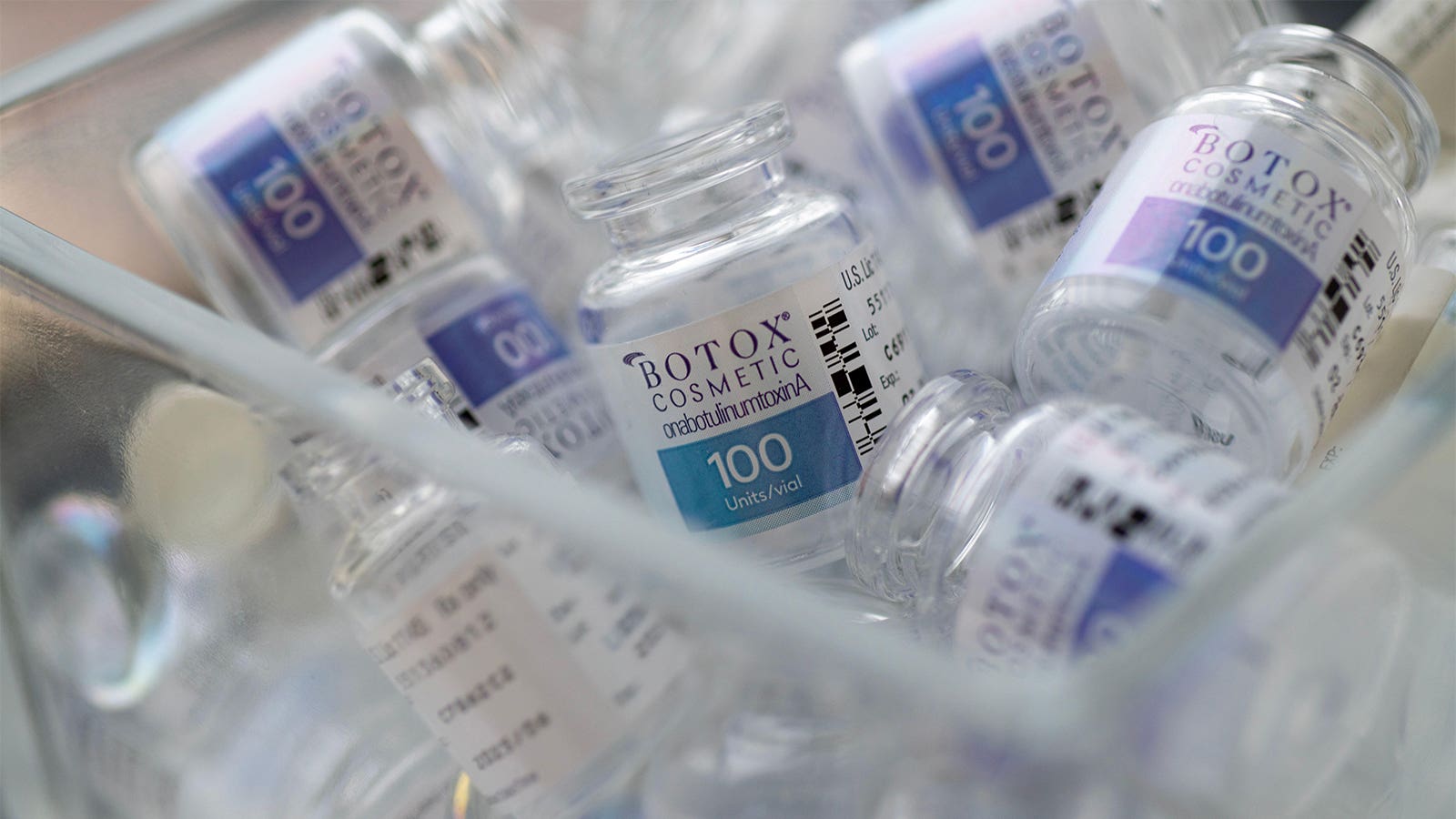
The Centers for Medicare & Medicaid Services (CMS) has chosen 15 medications for the upcoming phase of price negotiations, marking the third iteration of this initiative. Among these selections are the widely used type 2 diabetes treatment dulaglutide, known by its brand name Trulicity, as well as botulinum toxin, commonly recognized as Botox, alongside therapies targeting psoriatic arthritis, prostate cancer, breast cancer, and various other conditions.
Overview of Selected Medications and Their Impact
This latest batch of 15 drugs encompasses treatments reimbursed through Medicare’s Part D prescription drug coverage plan. Notably, for the first time, it also incorporates certain medications covered under Medicare Part B, which primarily handles outpatient services. The comprehensive list below highlights each drug, the primary Medicare-covered conditions they address, and their associated expenditures over the past year within the Medicare system:
- Dulaglutide (Trulicity): Utilized for managing type 2 diabetes, with annual Medicare spending reaching $4.9 billion.
- Bictegravir/emtricitabine/tenofovir alafenamide (Biktarvy): Employed in HIV treatment, costing Medicare $3.9 billion yearly.
- Abatacept (Orencia): Prescribed for rheumatoid arthritis and psoriatic arthritis, accounting for $2.5 billion in expenditures.
- Secukinumab (Cosentyx): Targets plaque psoriasis, psoriatic arthritis, and ankylosing spondylitis, with costs of $2.3 billion.
- Apalutamide (Erleada): A therapy for prostate cancer, incurring $1.9 billion in Medicare payments.
- Ribociclib (Kisqali): Used in breast cancer management, totaling $1.6 billion annually.
- Vedolizumab (Entyvio): Addresses ulcerative colitis and Crohn’s disease, with $1.5 billion spent.
- Abemaciclib (Verzenio): Another breast cancer medication, at $1.4 billion.
- Botulinum toxin (Botox): Applied for chronic migraine prevention, overactive bladder control, spasticity management, and other movement-related disorders, amounting to $1.1 billion.
- Lenvatinib (Lenvima): Treats kidney cancer, also at $1.1 billion.
- Omalizumab (Xolair): Manages asthma, chronic hives, and nasal polyps, with $1.1 billion in costs.
- Brexpiprazole (Rexulti): Indicated for major depressive disorder, schizophrenia, and agitation associated with Alzheimer’s dementia, costing $1.1 billion.
- Tofacitinib (Xeljanz): For rheumatoid arthritis, psoriatic arthritis, and ulcerative colitis, reaching $1 billion.
- Umeclidinium/vilanterol (Anoro Ellipta): A treatment for chronic obstructive pulmonary disease (COPD), with expenditures of $813 million.
- Certolizumab pegol (Cimzia): Covers Crohn’s disease, rheumatoid arthritis, and psoriatic arthritis, totaling $787 million.
Background on the Medicare Drug Price Negotiation Program
This negotiation framework originated from legislation enacted by Congress in 2022 and formalized into law through the Inflation Reduction Act under President Biden’s signature. The program’s core objective is to alleviate the financial burden of prescription medications on older adults by granting Medicare the authority to directly bargain with pharmaceutical companies over pricing. It strategically focuses on those drugs that represent the highest expenditures within the Medicare framework, thereby maximizing potential savings for both the program and its enrollees.
In the inaugural round of negotiations, CMS successfully reduced prices on 10 of the most frequently prescribed and costly medications in Medicare. These included treatments for diabetes, cardiovascular conditions, rheumatoid arthritis, and various cancers, with average reductions ranging from 40% to as high as 80%, according to health authorities. The newly negotiated rates for these initial 10 drugs became effective on January 1, projecting savings of approximately $1.5 billion for Medicare beneficiaries over the course of the year.
Progress from Previous Negotiation Rounds
The subsequent second round expanded to encompass 15 additional drugs, featuring well-known options such as semaglutide (marketed as Ozempic, Rybelsus, and Wegovy), palbociclib (Ibrance), and linaclotide (Linzess). CMS anticipates that the price adjustments from this round, set to activate in 2027, could deliver savings of up to 85% on select medications, providing substantial relief to patients relying on these therapies.
Furthermore, CMS revealed that negotiations are being reopened for one extra drug: linagliptin (Tradjenta), which is used to treat type 2 diabetes. Originally, this medication’s list price stood at $488 for a 30-day supply. Following the second round, it had been reduced to $78, with implementation planned for January 2027. However, due to the renewed talks, the updated pricing will now commence in 2028, potentially yielding even greater discounts.
Stakeholder Reactions and Broader Implications
The announcement drew positive feedback from the AARP, a prominent advocacy group for older Americans. Myechia Minter-Jordan, MD, the organization’s CEO, issued a statement emphasizing the significance of this development. She noted, “AARP has long advocated for Medicare to negotiate prescription drug prices, and today’s announcement marks another significant step forward in that effort.” She highlighted that lowering drug costs remains a top priority for seniors regardless of political affiliation and expressed gratitude to the administration for upholding Medicare’s capacity to address this issue effectively.
The AARP also referenced its recent Rx report from December, which analyzed the financial impact of the Medicare Drug Price Negotiation Program. The findings indicated that out-of-pocket cost-sharing for the first 10 negotiated drugs would drop by an average of 50% for Medicare participants starting in 2026, underscoring the tangible benefits already materializing from these efforts.
Reactions were more mixed in the political arena. Sen. Ron Wyden (D-Ore.) voiced criticism, pointing out the absence of two high-profile and expensive cancer treatments—pembrolizumab (Keytruda) and nivolumab (Opdivo)—from the list. He attributed this to actions by former President Trump and Republican lawmakers, accusing them of undermining the program’s potential. Wyden stated that such exclusions would compel cancer patients to bear higher costs for essential therapies, contrasting this with Democrats’ initiatives to empower Medicare against exorbitant pricing, which he claimed Republicans were obstructing.
Overall, this third round of negotiations continues to build momentum in the ongoing campaign to make vital medications more affordable for millions of Medicare recipients, addressing a wide spectrum of chronic and serious health conditions while promising considerable fiscal relief in the years ahead.