

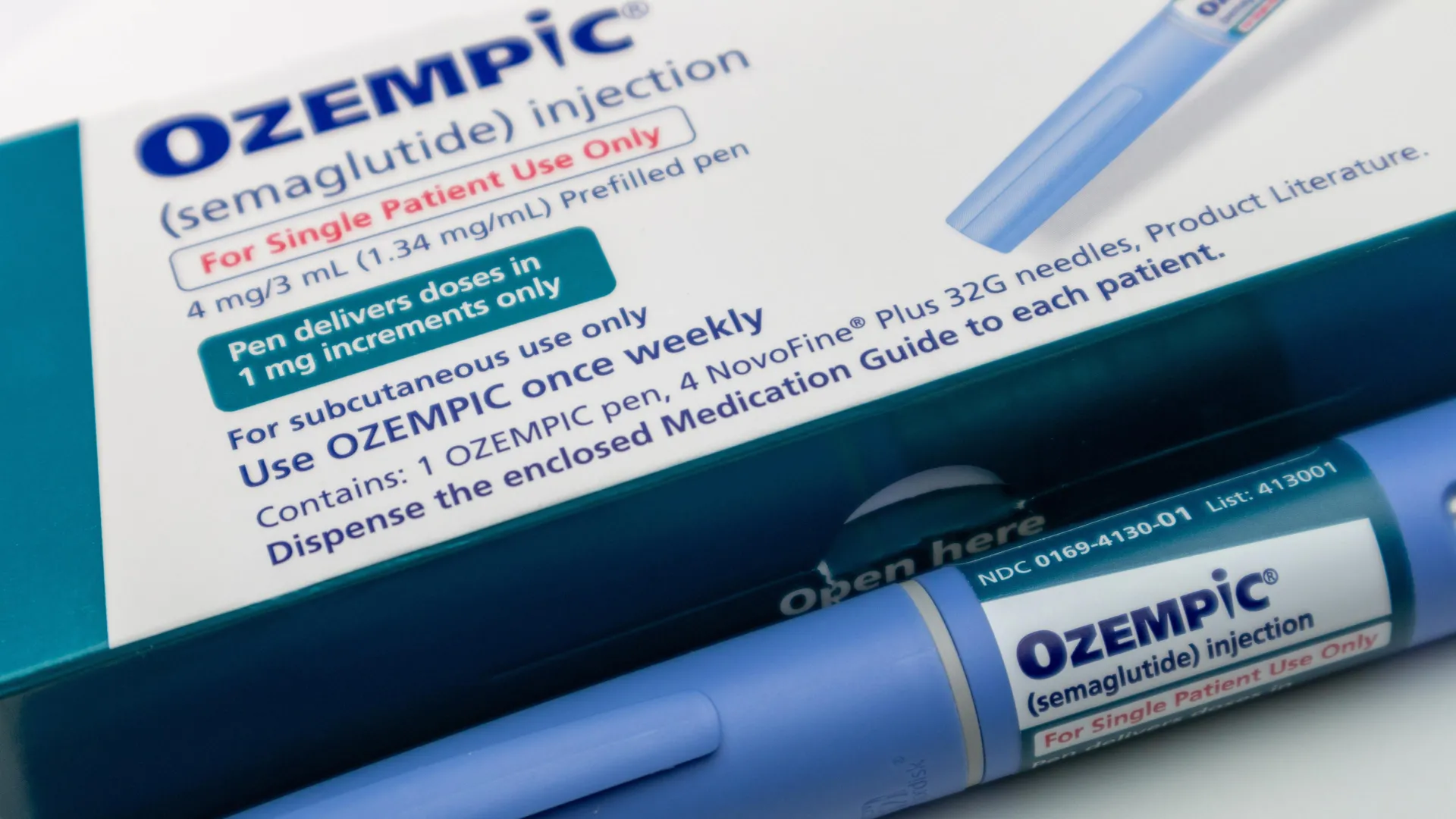
In the United States, when individuals begin taking appetite-suppressing drugs like Ozempic and Wegovy, the impacts extend well beyond mere weight reduction. Recent analysis from Cornell University reveals that these medications correlate with substantial decreases in household expenditures on food, encompassing both grocery purchases and dining out at restaurants.
These insights stem from a comprehensive study featured in the Journal of Marketing Research. The investigators merged survey data on the usage of GLP-1 receptor agonists with meticulous buying histories from tens of thousands of American households. Originally formulated to manage diabetes, GLP-1 receptor agonists have gained immense popularity for weight management purposes. By aligning self-reported usage with verifiable purchase behaviors, this investigation provides one of the most precise real-life perspectives available on how such drugs alter routine food buying habits.
Grocery and Dining-Out Expenditures See Significant Reductions
The data unveils a distinct trend. Just six months after initiating a GLP-1 medication, households on average reduced their grocery budgets by 5.3%. In higher-income families, this decline was even more pronounced, exceeding 8%. Similarly, outlays at quick-service establishments like fast-food outlets, coffee houses, and other casual dining spots diminished by roughly 8%.
For those who persisted with the treatment, the diminished food costs persisted for a minimum of one year. Nevertheless, over extended periods, the magnitude of these savings tended to diminish somewhat, as noted by Sylvia Hristakeva, an assistant professor specializing in marketing.
‘Our dataset clearly demonstrates shifts in food-related expenditures right after starting these drugs,’ Hristakeva explained. ‘Once usage stops, those shifts lessen and blend back into the spending patterns observed before adoption.’
Actual Transaction Records Provide Superior Insights
Setting this work apart from prior research, which often depended on subjective recollections of dietary patterns, this study leveraged genuine purchase transactions sourced from Numerator, a prominent market research organization. Numerator monitors grocery and restaurant spending for a diverse, nationally representative group of approximately 150,000 households. The researchers synchronized this transactional information with multiple surveys inquiring about GLP-1 medication use within the home, the start date of usage, and the underlying motivations.
This methodology enabled precise comparisons between households embracing the medications and comparable ones that did not. Consequently, the team could more reliably pinpoint alterations specifically tied to the onset of drug therapy. Importantly, the spending reductions varied considerably by food category.
Ultra-Processed Snacks Experience the Steepest Declines
The most dramatic cuts occurred in ultra-processed, calorie-dense products frequently associated with intense cravings. Expenditures on savory snacks plummeted by around 10%, accompanied by parallel drops in spending on candies, pastries, and cookies. Even spending on staples like bread, meats, and eggs saw reductions.
Conversely, only a handful of categories registered upticks. Yogurt purchases increased the most substantially, trailed by fresh fruits, protein bars, and meat-based snacks.
‘The predominant trend involves an overall contraction in food buying,’ Hristakeva observed. ‘Just a few categories exhibit growth, but these gains are minor when measured against the broader downturn.’
Wider Implications for Businesses and Public Policy
These changes transcended supermarkets alone. Patronage at quick-service restaurants—such as fast-food franchises and coffee venues—likewise experienced sharp declines. Should the adoption of GLP-1 drugs proliferate further, it could herald enduring transformations in consumer demand for food producers, dining establishments, and merchants, particularly impacting snacks and fast-food sectors. Businesses might find it necessary to revise packaging dimensions, nutritional compositions, and promotional tactics in response.
From the vantage of policymakers and health authorities, these discoveries enrich the discourse on how pharmaceutical interventions can reshape dietary choices. They also prompt inquiries into whether biologically induced appetite modifications might outperform traditional strategies like excise taxes on unhealthy foods or mandatory nutritional disclosures, which have historically yielded mixed results.