

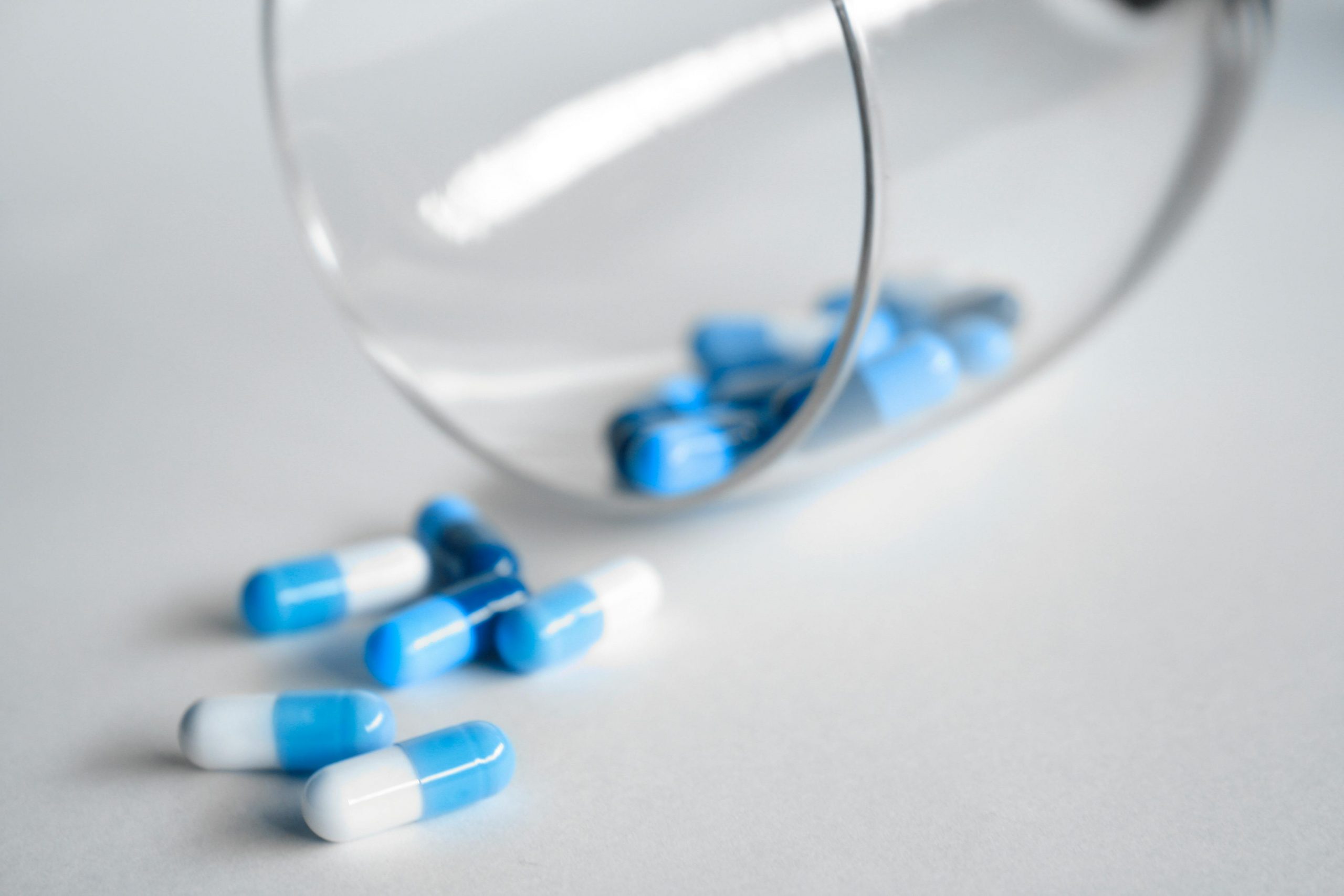

Fungal infections commonly impact areas like the skin, nails, scalp, and occasionally even internal organs, necessitating specific therapies designed to combat these microbial invaders effectively. Among the most frequently prescribed medications in this category is terbinafine, which proves particularly valuable in addressing dermatophyte-related conditions including athlete’s foot, ringworm, and onychomycosis, or nail fungus. These infections can be persistent and uncomfortable, making appropriate treatment essential for restoring health and comfort.
Although antifungal medications generally deliver reliable results in eliminating infections, they are not without their potential drawbacks. Achieving optimal outcomes hinges on adhering to correct dosage regimens, vigilantly observing for any adverse reactions, and grasping the precise mechanisms through which these drugs operate within the body. Differentiating between scenarios where oral administration is indispensable and those where simpler topical applications suffice plays a crucial role in minimizing the chances of the infection returning while enhancing overall patient safety during the course of therapy.
Applications of Terbinafine in Combating Fungal Infections
Terbinafine belongs to the allylamine class of antifungal agents, functioning by specifically targeting and blocking the enzyme squalene epoxidase, which plays a pivotal role in the production of ergosterol—a vital component of fungal cell membranes. By disrupting this process, the drug causes a harmful buildup of squalene within the fungal cells, ultimately leading to their destruction and eradication. Clinical approvals from authoritative sources, such as the National Library of Medicine, confirm that oral terbinafine tablets are indicated for treating onychomycosis affecting either fingernails or toenails when caused by dermatophytes. The typical regimen involves taking 250 mg once daily, extending over a period of six weeks for fingernail infections and up to twelve weeks for those on the toenails, allowing sufficient time for the medication to penetrate and act.
For more superficial issues, topical versions of terbinafine, including 1% creams, sprays, or solutions, are widely employed to manage conditions like tinea pedis, commonly known as athlete’s foot, tinea cruris referred to as jock itch, and tinea corporis, or body ringworm. Patients are generally instructed to apply these products one or two times each day over a span of one to four weeks, depending on the severity and response. One of the standout features of terbinafine is its strong affinity for binding to keratin, the protein found in skin, hair, and nails; this property enables the drug to linger in these tissues for extended periods—often several months—post-treatment, thereby boosting the likelihood of a durable, long-lasting cure. Consequently, oral formulations are predominantly reserved for more challenging cases such as nail infections or extensive scalp involvement, like tinea capitis.
When it comes to younger patients, particularly children dealing with scalp infections, dosing for oral terbinafine is meticulously calculated based on body weight to ensure both efficacy and safety. In elderly individuals or those with compromised liver function, initiating therapy demands thorough assessment beforehand. Since the liver serves as the main route for metabolizing and eliminating the drug, healthcare providers often recommend baseline liver function tests prior to embarking on extended treatment durations, safeguarding against potential complications.
Potential Risks and Adverse Effects of Antifungal Medications
Every class of antifungal medication comes with a spectrum of possible side effects, making it imperative for users to familiarize themselves with these hazards to pursue fungal infection treatment responsibly and securely. Data from resources like the National Institutes of Health’s LiverTox database highlight that terbinafine has been linked to infrequent instances of liver damage, manifesting in patterns such as cholestatic or hepatocellular injury. Patients might experience elevations in liver enzymes, and any emergence of warning signs—including jaundice, darkened urine, persistent tiredness, or pain in the abdomen—necessitates immediate medical consultation to prevent escalation.
A notable side effect observed in a minority of terbinafine users is alteration in taste perception, known as dysgeusia, which tends to resolve once the medication is stopped. Additionally, though exceedingly rare, severe skin reactions like Stevens-Johnson syndrome have been documented, underscoring the need for prompt intervention if symptoms such as extensive rashes, blisters, or involvement of mucous membranes appear. Vigilance is key in these scenarios.
Beyond terbinafine, other antifungal agents present their own profiles of concerns. For instance, azole antifungals like fluconazole and itraconazole interfere with cytochrome P450 enzymes in the body, heightening the potential for dangerous interactions with common drugs such as warfarin for blood thinning, statins for cholesterol management, and various medications regulating heart rhythms. Amphotericin B, classified as a polyene antifungal and reserved for life-threatening systemic infections, poses risks to kidney function along with disruptions in electrolyte balance. Meanwhile, echinocandins and griseofulvin require their distinct oversight protocols, often encompassing regular checks on liver performance and awareness of possible interactions with concurrent therapies.
Ensuring Safety and Effective Monitoring During Fungal Therapy
To maximize the safety and efficacy of fungal infection treatment protocols, comprehensive screening at the outset combined with diligent follow-up monitoring forms the cornerstone of responsible care. Guidelines from the Centers for Disease Control and Prevention emphasize the importance of strictly following prescribed instructions for antifungal medications, as deviations can foster recurrence or contribute to the development of resistant strains. Prematurely halting treatment, particularly in stubborn nail infections, frequently results in partial resolution followed by unwelcome relapse.
Prior to commencing oral terbinafine, especially for regimens spanning multiple weeks, it is standard practice to conduct liver function tests as a precautionary baseline measure. For individuals with pre-existing liver issues or those who notice any concerning symptoms during treatment, additional periodic assessments may be warranted. Open communication with healthcare professionals regarding all ongoing medications is vital to sidestep perilous interactions that could compromise health.
Complementing pharmacological interventions with practical lifestyle adjustments can substantially elevate treatment outcomes. Strategies such as maintaining dryness in skin folds, frequent sock changes, opting for footwear that promotes airflow, and steering clear of exposure in shared facilities like locker rooms all work synergistically to lower the odds of reinfection. In cases of recurrent athlete’s foot, incorporating prophylactic antifungal powders into routines within susceptible settings provides an extra layer of defense.
The rise of antifungal resistance represents a growing challenge in modern medicine. Factors like excessive azole use in both agricultural practices and clinical settings have spurred the evolution of tougher fungal variants. Committing to the entire prescribed duration of therapy—even once outward symptoms subside—plays a critical role in curbing resistance proliferation and preserving the drugs’ potency for future needs.
Understanding Antifungal Drug Classes and Their Mechanisms
Antifungal pharmaceuticals are categorized into distinct classes, each employing unique strategies to dismantle fungal structures selectively. Allylamines, exemplified by terbinafine, disrupt ergosterol biosynthesis at an early stage. Azoles, on the other hand, target lanosterol 14-alpha-demethylase, a later enzyme in the same pathway, thereby compromising the integrity of fungal membranes comprehensively.
Polyenes like amphotericin B take a direct approach by attaching to existing ergosterol molecules, forming disruptive pores that puncture fungal cell membranes. Echinocandins focus on beta-glucan synthase inhibition, which hampers the construction of the fungal cell wall essential for survival. Griseofulvin operates by impairing microtubule dynamics, thereby arresting fungal cell division and proliferation. These varied tactics enable a degree of selective toxicity, primarily affecting fungal entities while largely preserving human cellular function.
Selecting the most suitable antifungal hinges on factors including the nature of the infection, its extent, and the patient’s overall health profile. Superficial manifestations typically yield to topical remedies, whereas deeper systemic involvement or persistent nail issues often demand oral or even intravenous administration for thorough resolution.
Future Prospects and Long-Term Considerations for Terbinafine Therapy
Terbinafine continues to hold a prominent position in the management of dermatophyte-induced nail infections, boasting clinical cure rates that frequently reach 70 to 90 percent under controlled conditions. That said, observable enhancements in nail appearance may lag behind treatment completion by several months, as the process of healthy nail regrowth proceeds at a measured pace.
For the majority of individuals, navigating fungal infection treatment becomes a relatively uncomplicated endeavor when commitment to the regimen remains steadfast. Gaining insight into inherent risks, heeding established monitoring protocols, and cultivating enduring hygiene practices collectively diminish the propensity for repeated episodes significantly.
Safeguarding Health Throughout Antifungal Treatment
Medications like terbinafine and its antifungal counterparts provide robust solutions for alleviating prevalent skin and nail fungal afflictions when administered with precision and care. Cultivating awareness surrounding prospective side effects, interplay with other drugs, and requisite oversight empowers patients to engage in therapy confidently and securely.
Integrating therapeutic interventions with proactive preventive measures—such as rigorous moisture management and unwavering adherence to full treatment courses—fortifies the pathway to successful outcomes and curtails the threat of subsequent infections. Judicious application of these vital pharmaceuticals not only secures potent fungal infection treatment but also fosters enduring vitality in skin and nail wellness.
Frequently Asked Questions About Antifungal Treatments
1. How long does it typically take for terbinafine to show results in nail infections?
The standard oral terbinafine course spans six weeks for fingernail infections and twelve weeks for toenail ones. While the drug persists in nail tissues beyond the active treatment phase, tangible improvements in appearance often emerge over subsequent months as unaffected nail material gradually supplants the damaged sections. Complete aesthetic restoration varies according to personal nail growth velocities.
2. Is long-term use of antifungal drugs considered safe?
When prescribed appropriately and under professional supervision, most antifungal medications pose minimal risks. For extended oral regimens, liver function evaluations are advisable. Adverse effects, while not prevalent, merit immediate reporting to providers. Consistent healthcare check-ins bolster ongoing safety assurance.
3. Can topical antifungals serve as a substitute for oral terbinafine?
Topical options excel in handling mild cutaneous infections due to their ease and localized action. However, nail infections generally necessitate systemic oral therapy owing to topicals’ restricted penetration capabilities. Emerging nail lacquer innovations may suffice for less severe instances, with decisions tailored to infection specifics like depth and site.
4. What preventive steps help avoid recurrent fungal infections?
Prioritize foot hygiene by keeping them clean and thoroughly dry, paying special attention to inter-toe spaces. Choose breathable shoes and refresh socks each day. Shun the sharing of personal items like towels and refrain from barefoot traversal in public shower areas. Fully completing antifungal prescriptions markedly lowers relapse probabilities.