

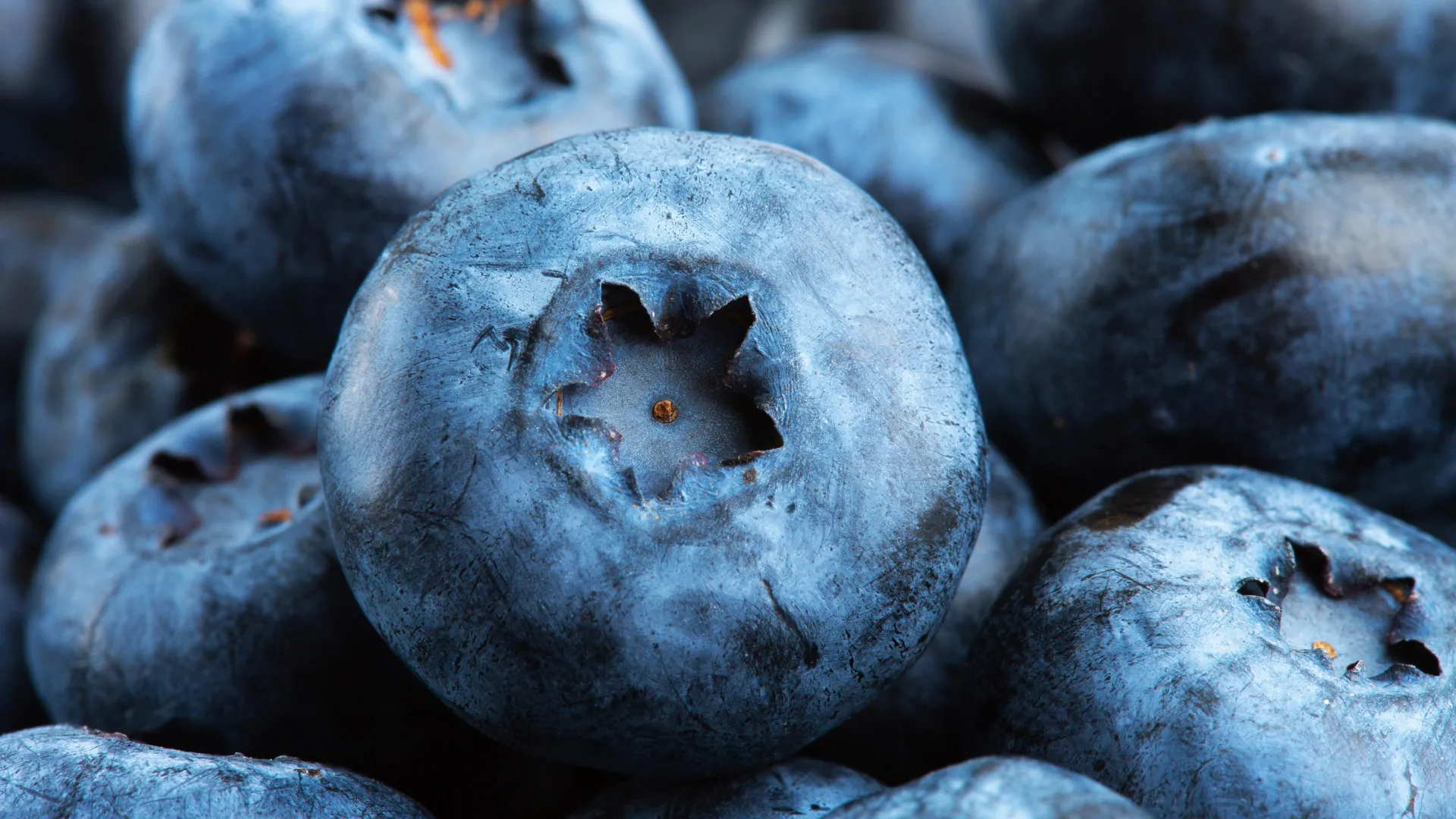
A recently released scientific review consolidates years of research exploring the potential impacts of wild blueberries on cardiometabolic health. This vital domain encompasses essential indicators like blood vessel performance, blood pressure levels, blood lipid profiles including cholesterol and triglycerides, as well as glucose regulation in the blood.
Published in the esteemed journal Critical Reviews in Food Science and Nutrition, this comprehensive review stemmed from an expert symposium hosted by the Wild Blueberry Association of North America (WBANA) in Bar Harbor, Maine. The event brought together twelve leading authorities from fields such as nutrition, food science, dietetics, metabolic and physiological nutrition, cardiovascular and cognitive wellness, gut health and microbiology, along with experts in both preclinical and clinical research methodologies. Although attendees were reimbursed for travel expenses to participate, no financial support was extended for the creation or authoring of the review document itself.
Decades of Clinical Research Analyzed in Depth
The publication meticulously assesses twelve human clinical trials spanning a 24-year period and conducted in four different countries, all focused specifically on the cardiometabolic benefits of wild blueberries. Furthermore, the researchers examined numerous additional clinical, translational, and mechanistic investigations that involved wild blueberries, cultivated blueberries, and a broad spectrum of cardiometabolic endpoints.
In summary, the authors conclude that the most robust and consistent evidence points to enhancements in vascular function. Results concerning blood pressure management, lipid profiles, and blood sugar control are characterized as promising, yet the team underscores the importance of conducting larger-scale, more rigorously designed clinical trials to substantiate these observations more definitively.
Extending beyond conventional cardiometabolic metrics, the review also delves into interconnected outcomes that contribute to holistic cardiometabolic well-being, such as gut microbiome health and cognitive capabilities.
Strongest Evidence Emerges for Blood Vessel Health
Among the clinical trials examined, enhancements in blood vessel function emerge as the most dependable and recurrent outcome. Scientific findings indicate that wild blueberries can bolster endothelial function, which refers to the blood vessels’ ability to relax and react appropriately to various stimuli. Certain studies detected positive shifts as early as a few hours following a single serving, whereas others documented sustained advantages from consistent consumption over periods ranging from weeks to months.
Gut Microbiome Transformations Likely Central to Benefits
The review’s authors explain that wild blueberries are rich in fiber and polyphenols, compounds that predominantly arrive at the colon in their intact form, with only approximately 5-10% being processed or absorbed in the small intestine. In the colon, beneficial gut bacteria convert these substances into metabolites capable of entering the bloodstream. These microbially derived products could represent up to 40% of the bioactive compounds circulating in the blood after intake of polyphenol-dense foods like wild blueberries.
A notable six-week clinical trial featured in the review demonstrated that participants consuming 25 grams of freeze-dried wild blueberry powder each day showed elevated levels of advantageous Bifidobacterium species. Although the analysis positions the gut microbiome as a probable mediator of the berries’ cardiometabolic advantages, the researchers stress that further investigations are essential to precisely elucidate the underlying mechanisms of this interaction.
Cognitive Function and Brain Health Improvements
In addition, the review compiles data from intervention studies involving older adults, which suggest that incorporating wild blueberries into the diet could enhance specific facets of cognitive performance. Notable gains were seen in processing speed for thoughts and memory retention. Such improvements might be attributable to superior systemic circulation and broader cardiometabolic enhancements, with benefits manifesting after both acute single doses and extended consumption periods.
Impacts on Blood Pressure, Cholesterol, and Glucose Levels
For those facing heightened cardiometabolic risks, multiple studies reviewed reported significant, clinically relevant progress in blood pressure, glycemic control, and lipid parameters—including total cholesterol, LDL cholesterol, and triglycerides—after several weeks of regular wild blueberry intake.
The investigators highlight that outcomes may differ based on factors like initial health status, concurrent medications, dietary patterns, and personal variations in metabolic processes and gut microbiota composition. They advocate for upcoming research to prioritize pinpointing “responders,” establishing ideal dosages and preparation methods, and broadening the array of biomarkers under evaluation.
Diverse Biological Pathways at Play
‘The standout feature of wild blueberries lies in their abundance of polyphenols and essential nutrients, enabling them to promote health through not a single pathway but several interconnected ones,’ states Sarah A. Johnson, PhD, RDN, Associate Professor at Florida State University, a registered dietitian nutritionist, and the review’s principal author. ‘Emerging data indicate that these berries influence various biological routes pertinent to cardiometabolic wellness, spanning from vascular performance to reductions in inflammation and oxidative stress, with individual responses varying widely. The burgeoning insights into the gut microbiome’s role in modulating these benefits are particularly thrilling and could guide strategies to optimize gut health for amplified effects.’
The document delineates multiple potential mechanisms, such as nitric oxide pathways fostering healthy blood flow, anti-inflammatory and antioxidant processes, metabolism of lipids and glucose, and dynamic engagements with the gut microbiome.
Quantities and Forms of Wild Blueberries Examined
The reviewed studies tested wild blueberries in various formats, revealing health improvements from habitual consumption over weeks or months at practical, everyday portion sizes. Practically speaking, this equates to roughly one cup of wild blueberries daily.
Given that the majority of wild blueberries are available frozen, they offer convenient storage and versatility for use throughout the year. They integrate seamlessly into smoothies, oatmeal preparations, yogurt, fresh salads, or even baked confections.
Unique Nutritional Profile of Wild Blueberries
Known also as lowbush blueberries, wild blueberries thrive in the rugged terrains of Maine and Eastern Canada, enduring severe environmental challenges like brutal winters. These adversities likely stimulate the plants to synthesize an extensive array of protective phytochemicals, especially polyphenols including anthocyanins. Notably, wild blueberries boast approximately 30 distinct anthocyanin varieties.
‘For millennia, wild blueberries have held value across cultures,’ observes Dorothy Klimis-Zacas, PhD, FACN, Professor of Clinical Nutrition at the University of Maine and co-lead author of the review. ‘Indigenous wisdom long acknowledged their merits, and contemporary science persists in uncovering how their distinctive nutritional makeup can bolster wellness as an integral component of a balanced dietary regimen.’